
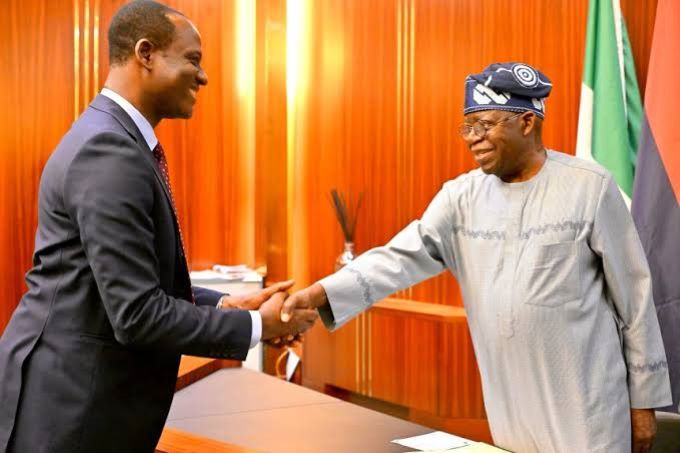
Nigeria will increasingly turn to private investors at home and abroad to finance its next phase of growth rather than relying on state borrowing, Finance Minister Taiwo Oyedele said on Wednesday, while ruling out any return to petrol subsidies.
“The next phase of growth will be financed by private capital, domestic and foreign, and not by the state borrowing more,” Oyedele said during an event at think tank Chatham House.
Nigeria had been living on “borrowed money, and increasingly, borrowed time”, but that was coming to an end, he said.
President Bola Tinubu’s sweeping reforms since taking office in 2023, including scrapping the petrol subsidy and overhauling the foreign exchange regime, have helped stabilise public finances, bolster foreign reserves and attract investment.
“The petrol subsidy is gone and it is staying gone,” Oyedele said.
However, the measures have also inflicted a heavy cost-of-living squeeze, and the government’s challenge is increasingly to translate improved macroeconomic stability into faster growth, jobs and higher living standards.
Oyedele said the best way to cushion the vulnerable was ensuring economic and wage growth, as well as targeted support. He said some 10 million households are currently receiving cash transfer programme.
“Even though you’re promising a better future, they have to be alive to see it,” he said.
He also said inflation, which has fallen to 14.63% from 21% a year ago, needed to reach “low single digits over the next coming months.”
While the IMF forecasts Nigeria’s annual economic growth at 4.2% in 2026 and 4.3% in 2027, he said such projections were “too conservative”, adding that they are targeting average annual growth of about 7% over the next five years.
Oyedele also said the government is working to transfer more responsibilities to the states and to “enhance the ability the federal government to generate revenue without imposing burden on the people.”
Reuters