
Charles Obinna Chukwunaru
A Case for Sovereign Restructuring and the Release of Mazi Nnamdi Kanu
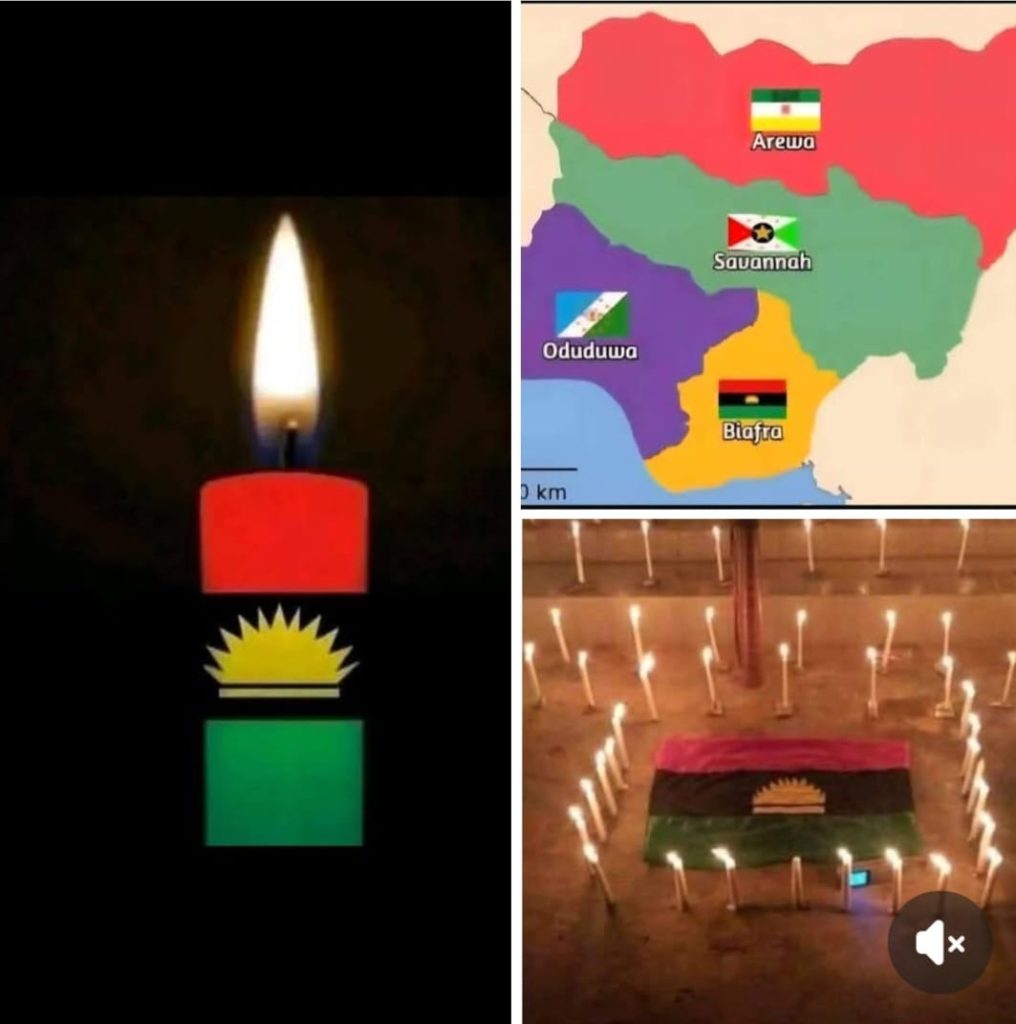
History is not merely a record of what has passed, but a mirror reflecting the moral state of our present world. Today, the global community stands in solemn solidarity to honor the millions of innocent souls lost during the Biafran war.
We preserve their memory not simply to mourn, but to uphold a sacred testament to human resilience. Their sacrifice reminds us that human dignity is absolute, and that true progress remains impossible when the lessons of history are ignored.
The Burden of an Unresolved Past
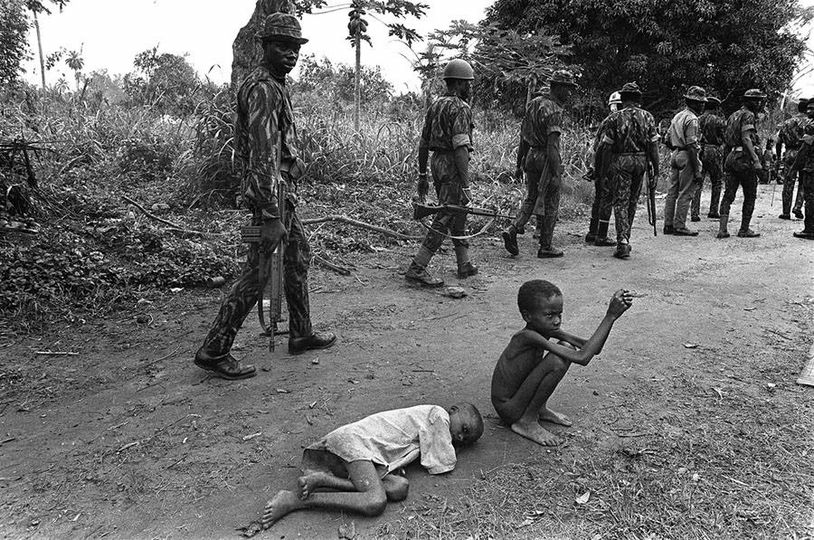
An unresolved history inevitably poisons the present. Decades after the battlefields of Biafra fell silent, the structural injustices, deep-seated regional divisions, ethnic tensions, and systemic disunity that ignited the conflict remain entirely unaddressed.
The current landscape of state failure stems directly from a persistent refusal by the Nigerian state and its external allies to confront the foundational “Biafran Question” – the unresolved demands for self-determination, structural justice, and equity.
Ignoring these historical root causes has plunged the entire country into systemic chaos.
Structural Violence and Identity
True statecraft requires the courage to dismantle oppressive structures rather than enforce them. Instead of pursuing genuine reconciliation, the state has maintained a framework of persistent direct and structural violence targeted against the Igbo Nation and the broader Eastern region.
This ongoing hostility manifested through heavy security containment, economic marginalization, and political exclusion, denies an entire people their fundamental rights to freedom, security, equality, and self-determination.
Suffice it to say, peace cannot exist where structural violence is normalized.
The Anatomy of State Collapse
When foundational injustices are left to fester, domestic failure inevitably invites wider geopolitical decay. Beyond targeted state aggression, Nigeria has degenerated into an epicenter of complex humanitarian crises.
The unchecked spread of international terrorism, banditry, mass kidnapping, religious extremism, and mass atrocities, including escalating violence against Christian and indigenous communities now define the contemporary security crisis.
This is severely worsened by campaigns of ethnic displacement and aggressive land-grabbing by armed groups migrating from the Sahel region. These actions systematically displace indigenous populations from their ancestral homelands and threaten the stability of the entire West African subcontinent.
Consequently, non-state actors now actively contest coercive authority with the state, creating large swaths of ungoverned spaces and pervasive insecurity across Nigeria.
The Obligation of Global Conscience
In an interconnected world, indifference to systemic collapse is a choice to enable it. The international community can no longer remain passive spectators as a fragile state teeters on total collapse.
We, therefore, call for immediate global intervention. The United Nations, the African Union, the European Union, United States of America, and China, among other global powers, must proactively step in to halt hostilities by both state and non-state actors, curb violent extremism, protect indigenous communities, and address the foundational systemic flaws that threaten regional peace and stability.
Dialogue, Freedom, and Self-Determination
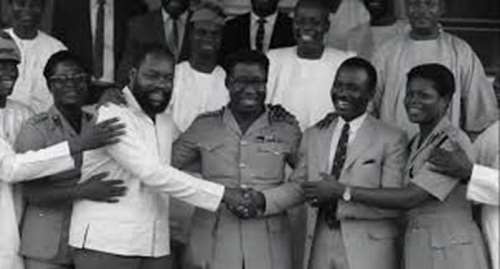
Enlightened societies are built on open dialogue, legal equity, and the inherent right of peoples to determine their own future. In the spirit of peace and reconciliation, we call for the immediate and unconditional release of Mazi Nnamdi Kanu.
True conflict resolution requires moving away from the battlefield and toward democratic processes. International stakeholders are hereby urged to facilitate a peaceful, sovereign restructuring of the Nigerian state through an internationally monitored democratic referendum, allowing citizens to decide their political future through the ballot box.
Charles Obinna Chukwunaru, PhD
President,
Eastern Nigeria Development Association
(ENDA)
May 30, 2026