
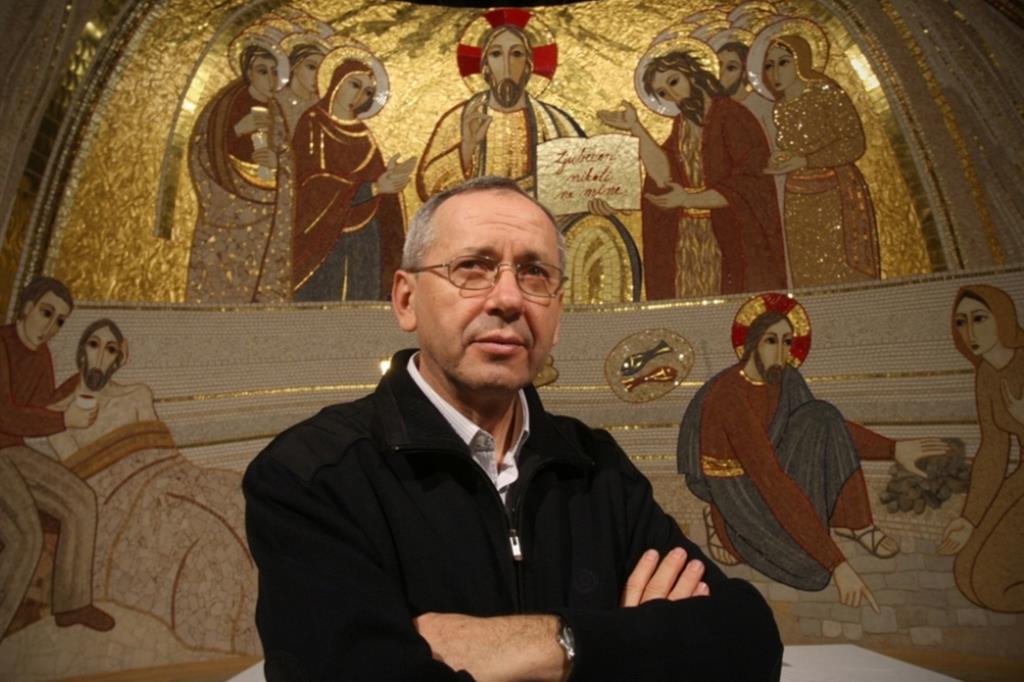
THE VATICAN CITY has confirmed that the church proceedings against prominent former Jesuit Marko Ivan Rupnik, accused of spiritual, psychological and sexual abuse of women, are still ongoing.
He thus denied allegations by an Italian blog that an acquittal had already been reached in the proceedings. A statement from the Holy See Press Office called these allegations “completely unfounded.”
Vatican: Judges still studying documentation
The Vatican says judges are continuing to study documentation provided by the dioceses involved, the Jesuits, interested parties, and the media.
The Vatican has defended the secrecy of the process, stating that information cannot be shared while the process is ongoing in order to protect the process itself and avoid additional damage to all involved.
“If the council concludes that it needs additional information, it will take the necessary steps to obtain it,” the statement said.
The case that burdens the Vatican
Rupnik is a Slovenian priest and artist whose mosaics are in Vatican chapels, churches and basilicas around the world. The case exploded publicly in late 2022, after Italian blogs published claims from women and nuns that Rupnik had abused them since the 1990s .
Then one of the nuns came out publicly for the first time and said that Rupnik forced her to have a threesome with him and another nun in Slovenia and that he justified it by his devotion to the Holy Trinity.
The case has become one of the most sensitive issues for the Holy See as allegations have emerged that he was protected for decades by Jesuit superiors and the Vatican hierarchy.
The Jesuits previously acknowledged that Rupnik was briefly excommunicated in 2020 for one of the church’s most serious transgressions: using confession to absolved a woman with whom he was having a sexual relationship. He was expelled from the Jesuit order in 2023.
Rupnik remains a priest. His supporters reject the accusations and claim they are slander.
Victims’ lawyer criticizes secret proceedings
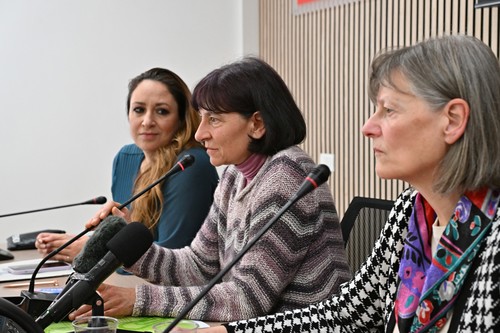
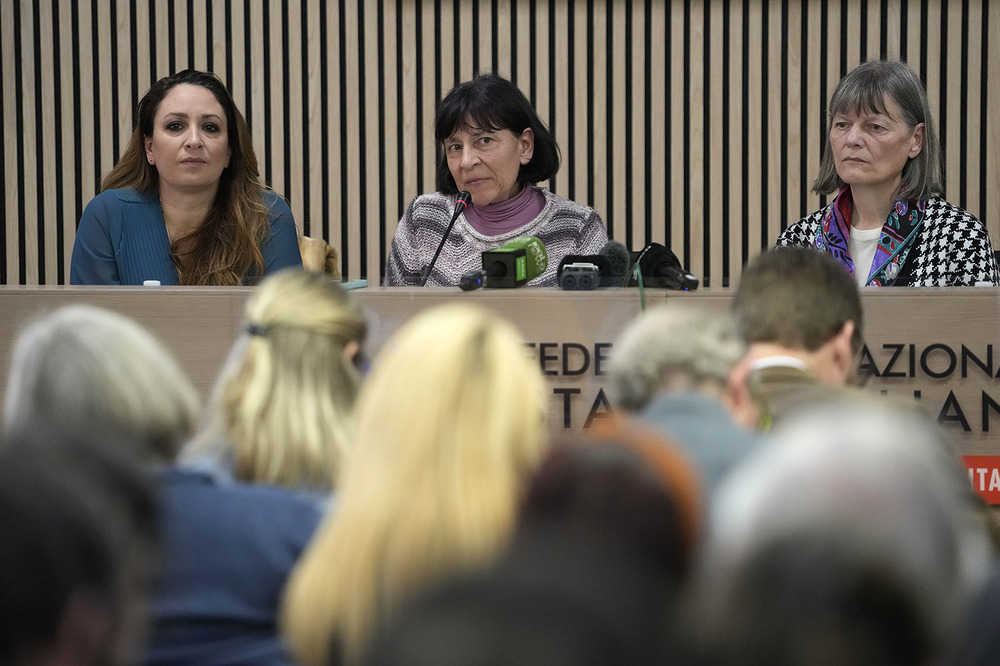
The alleged media report on the acquittal decision provoked a sharp reaction from attorney Laura Sgro, who represents the five women accusing Rupnik.
She criticized the church’s canonical system in a letter to the Vatican, saying that victims have no right to information about the investigation or the status of the proceedings. She said that her inquiries and requests for basic information have gone unanswered for almost two years.
According to the rules of canonical procedures on abuse, victims have the status of witnesses. They do not participate in secret proceedings, do not have access to the file, and generally do not have the right to know whether an investigation has been initiated or at what stage it is.
Only after Pope Francis’ 2019 reform can victims learn the final outcome of the case, but not the details of the procedure.
Criticism due to non-transparency
The Vatican emphasizes in a statement that canonical procedure concerns matters within the Church, is guided by church law, and does not replace civil or criminal justice.
But this very system has been the target of criticism for years by international commissions and organizations dealing with abuses in the Church. Critics claim that the secrecy and lack of transparency of the procedures further traumatize the victims.The Rupnik case is considered an important test of the Vatican’s readiness to confront allegations of abuse of adult women in the church context and accusations that the hierarchy protected a prominent priest for years.
BY INDEX HR